Does Glycolic Acid Peel Enhance Skin Hydration Levels?
- Dynamic Aesthetic
- May 14
- 3 min read

Healthy-looking skin is often associated with balanced hydration, smooth texture, and a comfortable surface feel that doesn’t appear overly dry or excessively oily. Among modern skincare approaches, exfoliating acids are widely discussed for their ability to support a refreshed appearance. One such option is Glycolic Acid Peel Treatment in Dubai which is commonly explored by individuals seeking improved skin comfort and moisture balance. While hydration is typically linked to moisturizers, many people are curious whether exfoliating peels can also contribute to maintaining skin hydration levels and overall skin wellness.
What Skin Hydration Really Means for Everyday Skin Health
Skin hydration refers to the presence and retention of water within the outermost layers of the skin. When hydration levels are balanced, the skin tends to feel soft, flexible, and more comfortable throughout the day. Dehydration can lead to tightness, uneven texture, and dull appearance. Hydration is influenced by internal and external factors, including environment, skincare habits, and lifestyle. Understanding hydration is essential before evaluating how exfoliating treatments may influence skin comfort and moisture retention in everyday skincare routines.
Connection Between Exfoliation and Moisture Balance
Exfoliation plays an important role in removing buildup from the skin’s surface, which may allow skincare products to be better absorbed.
Helps remove surface buildup that may block hydration-supporting products
Encourages a smoother skin surface for better product application
Supports a more even skin feel and appearance
Reduces the look of dullness associated with dryness
Enhances the effectiveness of daily moisturizing routines
How Skin Comfort Relates to Hydration Perception
Hydration is not only about moisture content but also about how the skin feels. When the surface is rough or uneven, skin may feel drier even if moisture is present.
Environmental exposure such as dry air or heat
Frequency of skincare routine and cleansing habits
Use of moisturizers and hydrating ingredients
Skin surface texture and smoothness level
Lifestyle habits including water intake and stress levels
Can Glycolic Acid Peels Support Hydration Appearance?
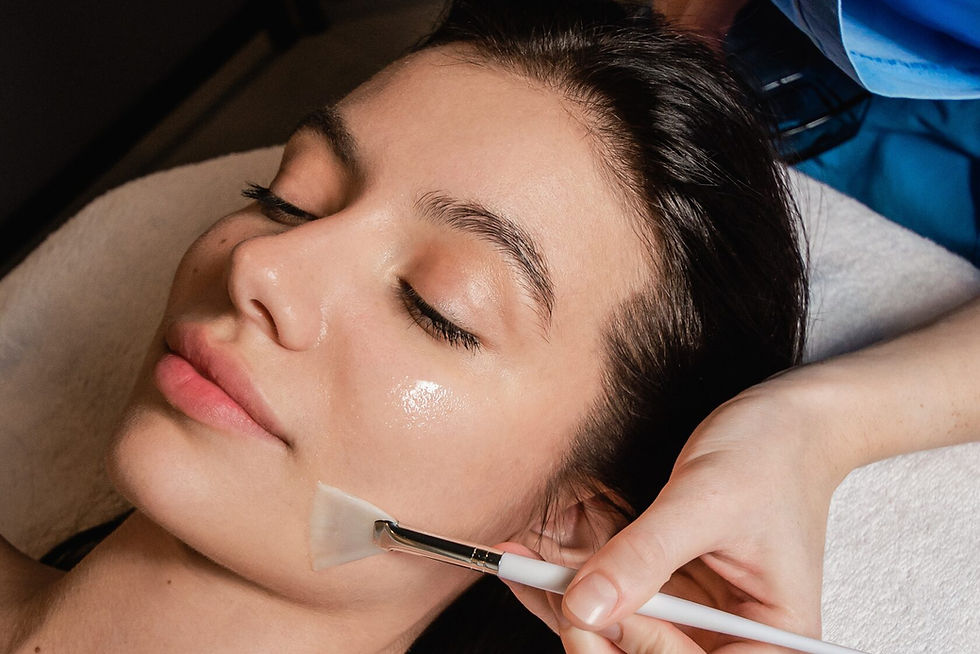
Many skincare enthusiasts wonder whether glycolic acid-based treatments contribute directly to hydration. While these approaches do not function as direct moisturizers, they may support a smoother skin surface that helps hydration-focused products perform more effectively. This can create the impression of improved moisture levels. The overall experience often depends on how the skin responds to exfoliation and how well hydration-supporting skincare is integrated into a daily routine designed for balanced skin care maintenance.
Role of Skin Texture in Moisture Retention Feel
Skin texture plays a significant role in how hydration is perceived. When skin feels rough or uneven, moisture may not spread evenly, leading to inconsistent comfort levels.
Accumulation of dead skin cells on the surface
Consistency of exfoliation practices
Use of hydrating and nourishing skincare products
Exposure to environmental pollutants and dust
Natural skin renewal cycle variations
Importance of Moisturizing After Exfoliation Routines
Moisturizing remains a fundamental part of maintaining hydration balance in any skincare routine. After exfoliation, skin may feel more receptive to hydration-supporting products. This makes moisturization an essential step in maintaining comfort and softness. Hydrating creams, gels, or lotions help lock in moisture and support skin resilience. Combining exfoliating skincare with consistent moisturizing habits can help maintain a well-balanced skin environment that feels smooth, nourished, and comfortable throughout the day.
Misconceptions About Exfoliation and Hydration
There are several misconceptions about exfoliating skincare approaches and their relationship with hydration.
Exfoliation replaces the need for moisturizers
Stronger exfoliation always leads to better hydration
Hydration is only dependent on skincare products
Oily skin does not require hydration support
Immediate results indicate long-term hydration improvement
Integrating Exfoliating Care into a Hydration-Focused Routine
A balanced skincare routine often combines exfoliation with hydration-supporting products. While exfoliating treatments refresh the skin surface, hydration-focused products help maintain moisture balance. Together, they create a complementary approach that supports overall skin comfort. Consistency is important, as irregular routines may not provide stable results in skin texture or hydration feel. Individuals often find that combining these approaches helps maintain a refreshed and smooth appearance that aligns with daily skincare goals.
Lifestyle Influence on Skin Hydration and Comfort
Hydration is not influenced by skincare alone; lifestyle choices also play a major role. Factors such as water intake, sleep quality, diet, and environmental exposure can all affect how skin feels throughout the day. Even with effective skincare routines, neglecting lifestyle balance may lead to inconsistent hydration levels. Supporting the skin from within helps enhance the effects of external care, creating a more stable and comfortable skin condition that feels naturally balanced and refreshed over time.
Final Thoughts
Hydration is a key element of healthy-looking skin, and maintaining it requires a combination of proper skincare practices and lifestyle awareness. While exfoliating approaches like glycolic acid-based care may not directly add moisture, they can support smoother skin and improve how hydration products perform. When paired with consistent moisturizing and healthy habits, they may contribute to a more balanced and comfortable skin experience that feels refreshed, soft, and well-maintained over time.
Comments